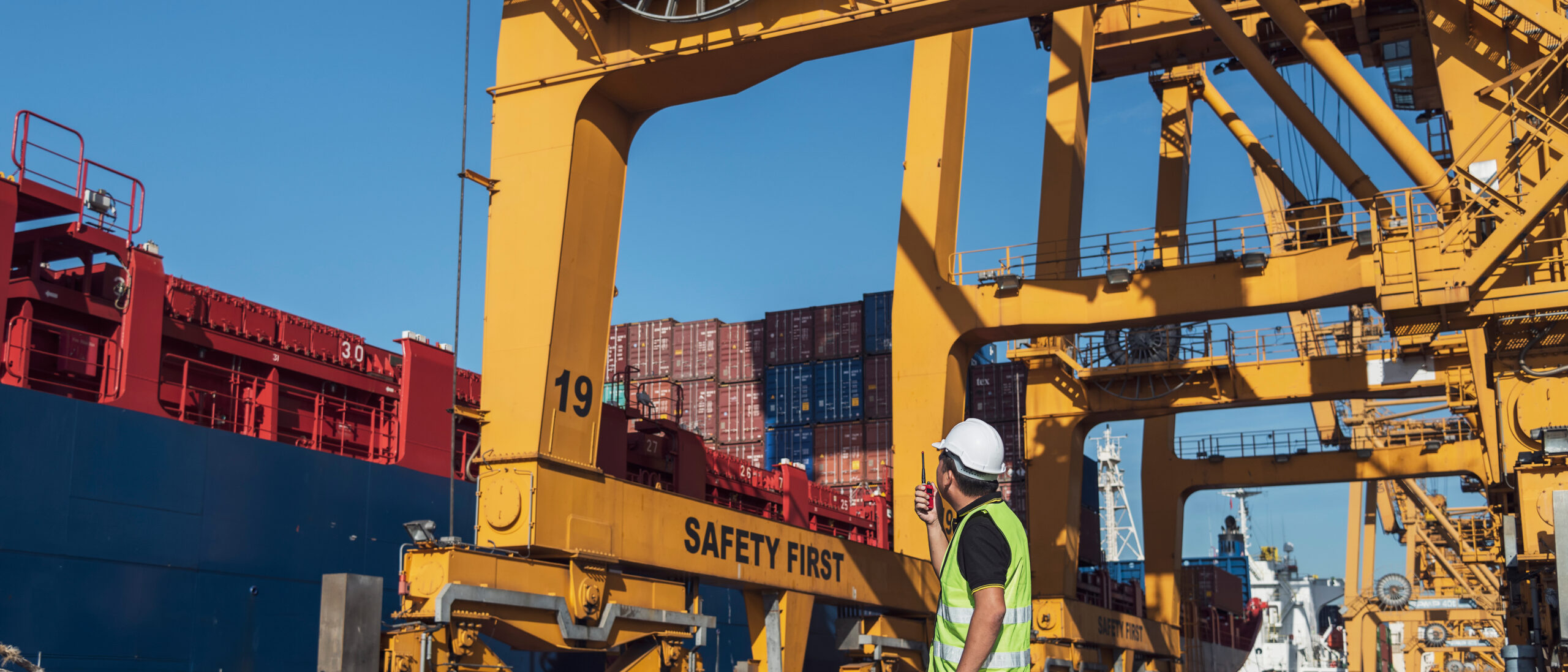
Fire & Tank Watchers
Our fire tank watcher services are built on a clear baseline: STCW certification and confined space monitoring training for every watcher we provide. Beyond that baseline, here’s exactly how we prepare our watchers and run a shift, so clients know what to expect before a project begins.
How a Fire Tank Watcher Shift Works
We plan permits to work the day before each shift. We treat any last-minute additions as second priority, and if there aren’t enough watchers available to cover every request, the permit waits until a watcher is free.
At the start of each shift, the supervisor holds a briefing with the fire and tank watchers to assign positions. Watchers then go to their assigned positions to carry out a basic assessment, while the supervisor goes around signing permits so work can start as soon as possible. Where workers are already present, the watcher arriving first at a position will talk with them and carry out a basic assessment — this helps streamline the supervisor’s own risk assessment when they arrive.
If there are more watchers than positions available, those not currently on duty cover breaks for the rest of the team. We schedule coffee, lunch, and other breaks around each client’s own organisation and routines, since we adapt to our clients as visitors on their site, not the other way around.

Equipment Provided
Every watcher is equipped with:
- Helmet, ear protection, and eye protection (clear and tinted)
- Dust masks and replaceable filter masks
- Gloves and high-visibility vest
- Weather-appropriate coveralls and jackets
- Safety footwear
- LED flashlight
- VHF radio
- Whistle
- Fire extinguisher and fire blanket
- Spray bottle
- Gas detector
- Thermal camera (where required)
Minimum Knowledge Required
Beyond their core certification, every watcher is assessed on:
- Good proficiency in English or better
- Basic fire physics
- Mechanical and physical hazards
- Basics of the risk reduction hierarchy
- Tasks and hazards specific to dry dock work
- Basics of safe systems of work, risk assessment, and permits to work
- Fire-fighting systems and alarm trigger mechanisms
- Basic knowledge of confined spaces
- Emergency procedures
- Use of radio communication devices
We assess these skills in one-on-one interviews before hiring, and we provide study material to support that preparation. As a result, our fire tank watcher services are backed by a verifiable, structured assessment process, not informal experience alone.
Response Time
We are committed to offering the fastest possible response time for every fire tank watcher services request. Thanks to our profile system, where each employee keeps their availability updated in real time, we can confirm a small team within an hour of your call, and a larger team within one day.
*This response time applies to French territory. For other countries, an additional legal assessment may be required before confirming the team.
Logistics and Coverage
We provide night, weekend, and holiday coverage as standard — fire tank watcher services needs don’t stop outside business hours, and neither do we.
For shorter projects, travel costs (flights, train, or bus) relative to the number of days worked can become a significant part of the overall cost. In that case, we discuss logistics costs with the client upfront before confirming the booking.
Our watchers are fully self-sufficient and arrive equipped for the task. The only thing we typically need from the client is site access — for example, entry cards or passes for the shipyard. This approach is one part of a complete risk assessment strategy, applying the same hierarchy of controls described in ISO 45001.